Why Regular Furnace Services Matter for Long-Term Heating Performance
A furnace usually gets ignored right up until the day it does not. That is how it goes in a lot of homes. The thermostat clicks, warm air comes out, the house stays comfortable, and nobody gives the equipment in the basement or utility closet a second thought. Then one cold morning, the air turns cool, the system starts short cycling, or a strange burning smell shows up, and suddenly the furnace becomes the most important machine in the house.
That pattern is exactly why regular furnace services matter so much. Heating equipment does its job quietly, but it does not do it effortlessly. Dust builds up. Parts wear down. Electrical connections loosen over time. Burners drift out of adjustment. Filters get forgotten. Drain lines clog. None of that sounds dramatic on its own, but put it together over a few seasons and the furnace starts working harder for less output.
If you want a heating system that lasts, runs safely, and keeps energy bills from creeping upward, routine service is not optional in any practical sense. It is basic upkeep, the same way oil changes matter for a car. Skip enough of them and the machine may still run for a while, but it will not run well, and it usually will not run as long.
The hidden cost of “it still works”
One of the most common things homeowners say is, “It’s been fine so far.” Sometimes that is true. A neglected furnace can keep operating longer than people expect, which creates the illusion that maintenance is unnecessary. The problem is that “still working” and “working properly” are not the same thing.
I have seen furnaces that technically heated the house, but they were doing it with restricted airflow, dirty burners, weak flame sensing, and blower motors straining under years of debris. The homeowners thought everything was normal because the home eventually reached the thermostat setting. What they did not notice was how much longer the system ran, how uneven the rooms felt, or how often the furnace was shutting off and starting back up.
That sort of decline usually happens gradually. You do not wake up one day to a furnace that is suddenly 25 percent less efficient. Instead, performance slips in small increments. A clogged filter adds static pressure. Dust on the blower wheel reduces airflow. A dirty flame sensor starts causing occasional ignition failures. A worn capacitor weakens motor startup. Over time, these small issues stack together.
By the time someone calls for furnace repair, the repair itself is often only part of the story. The real issue is months or years of deferred maintenance that pushed the equipment into failure sooner than necessary.
What regular furnace service actually does
A proper maintenance visit is not just a quick look and a filter swap. Good furnace services involve inspection, cleaning, testing, and adjustment. The goal is to catch wear early, restore proper operation, and make sure the system is running safely.
On a typical service call, a technician may inspect the heat exchanger area, test ignition, clean the flame sensor, check burners, inspect the blower assembly, test capacitors, measure amp draws, verify temperature rise, examine venting, inspect wiring, and make sure safety switches are working the way they should. For high efficiency units, condensate drainage and pressure switch operation also matter.
Most of those checks are not glamorous, but they tell you a lot about the health of the system. They also give you a chance to fix a small problem while it is still a small problem.
For example, a weak ignitor might still be lighting the burners today. That does not mean it will survive the next cold snap, when the furnace is cycling more often and demand is highest. Catching that during maintenance is far better than finding out at 11 p.m. On a freezing night.
Efficiency drops faster than most people think
When people hear “maintenance saves money,” it can sound like sales talk. But the basic mechanics are straightforward. Any heating system that has to fight against dirt, restriction, or failing components uses more energy to deliver the same comfort.
Take airflow as an example. A furnace depends on moving the right amount of air across the heat exchanger. If the filter is packed with dust or the blower wheel is coated with grime, airflow drops. That can cause higher operating temperatures, reduced comfort, and extra strain on parts. In some cases, the furnace may overheat and trip a high limit switch, then restart later. The house still gets heat, but it happens in stop and go fashion, which is hard on components and rough on efficiency.
The same thing happens with combustion issues. Dirty burners or ignition problems can make a gas furnace less stable and less effective. It may not fail outright, but it will not be performing the way it was designed to.
Even something as simple as thermostat calibration can matter. If the reading is off, the furnace may run too long or not long enough. People often blame the furnace when the real issue is control behavior.
Over a winter, these inefficiencies add up. A system does not need to be completely broken to waste money. It just needs to be slightly compromised for long enough.
Long-term performance is mostly about reducing strain
Furnaces wear out because of age, use, and stress. You cannot stop age, and you cannot avoid using the equipment if you live somewhere with a real winter. What you can do is reduce unnecessary strain.
That is where regular heating services make the biggest difference.
A furnace that starts easily, breathes freely, and cycles normally is under far less stress than one that is overheating, short cycling, or struggling with dirty components. Motors last longer when they are not fighting airflow restrictions. Ignition parts last longer when burner operation is clean and predictable. Heat exchangers are better off when temperature rise stays within manufacturer guidelines.
This matters because major furnace components are not cheap. A blower motor replacement, inducer motor issue, control board failure, or repeated ignition repairs can quickly turn a modest service history into a long string of expensive calls.
There is also a practical lifespan issue. While furnaces can vary a lot depending on model, installation quality, operating conditions, and maintenance history, many systems that receive consistent care simply age better. They tend to fail less dramatically, and the replacement decision happens on your terms instead of during an emergency.
Safety is part of the conversation, whether people like it or not
Homeowners often think of maintenance in terms of comfort and cost, but safety is every bit as important. A furnace burns fuel or uses high voltage components, and both deserve respect.
On gas furnaces, combustion and venting need to be right. If something is off, the consequences can go beyond poor performance. This is one reason annual service matters. A trained technician is looking for signs of burner problems, venting concerns, corrosion, condensation issues, and other conditions that can affect safe operation.
Electrical safety matters too. Loose wire connections, damaged insulation, overheating contact points, and failing components can all create trouble if left unchecked. Again, these are often not dramatic at first. They develop quietly.
Most homeowners are not expected to diagnose these conditions themselves, and they should not have to. That is the point of preventive service. You bring in somebody who knows what normal looks like, so abnormal does not get missed.
Installation quality and maintenance are tied together
A lot of people separate furnace installation from later service, but in real life they are closely connected. A well installed furnace is easier to maintain, more likely to run within spec, and usually delivers better long-term results. A poor installation can create chronic problems that maintenance alone cannot fully fix.
I have seen systems where the furnace itself was fine, but the ductwork was undersized, the gas pressure was never set properly, the venting was questionable, or the return air was inadequate. In those cases, the homeowner ends up blaming the furnace when the deeper issue is setup.
That is worth remembering if you are planning a new furnace installation. The equipment brand matters, sure, but careful sizing, airflow design, venting, commissioning, and setup matter just as much, sometimes more. A top-tier furnace installed poorly can underperform for its entire life. A solid mid-range unit installed correctly and maintained regularly often does better.
Once the system is in place, regular service helps confirm that the original installation is still performing the way it should. Technicians can spot if temperature rise is off, if airflow looks restricted, or if combustion behavior has changed. That kind of feedback loop is valuable.
Small problems rarely stay small during heating season
One thing homeowners learn the hard way is that furnace issues tend to get worse at the least convenient time. That is not because furnaces are malicious. It is because winter exposes weakness.
A marginal capacitor might survive mild weather, then fail when the blower runs harder and longer in a cold stretch. A dirty flame sensor that only acts up once in a while may suddenly cause repeated lockouts when the furnace is cycling more often. A clogged condensate line on a high efficiency unit may be manageable for a while, then trigger shutdowns once condensate volume increases.
This is why off-season or early season service is smart. You are not just checking the furnace for today. You are stress testing your peace of mind for the months ahead.
A good technician can often tell the difference between a part that is healthy, a part that is worn but serviceable, and a part that is living on borrowed time. That judgment is part of the value. It gives homeowners options. You can plan, budget, and schedule instead of reacting in panic.
What homeowners usually notice first
The earliest signs of trouble are not always dramatic. In many homes, performance declines in ways that are easy to dismiss. A bedroom feels cooler than usual. The furnace sounds a little rough on startup. The thermostat seems to take longer to satisfy. Utility bills tick up even though weather feels normal for the season.
These are not always signs of imminent failure, but they are worth paying attention to. Heating systems usually give warnings before they quit. The trick is taking those warnings seriously.
Here are a few common clues that a furnace needs attention:
- longer run times than usual
- uneven heating from room to room
- odd smells that do not clear quickly
- banging, scraping, or repeated clicking sounds
- frequent cycling on and off
None of those symptoms automatically means a major repair is coming. Sometimes the answer is a dirty filter, a clogged drain, or a sensor that needs cleaning. But finding out early is the whole advantage.
Repair versus replacement is easier to judge when the unit has a service history
When a furnace starts having trouble, the next question is usually whether to repair it or move toward furnace replacement. That decision gets a lot easier when the system has been serviced regularly.
Why? Because you have context.
If a 9-year-old furnace has been maintained well and now needs a single moderate repair, that is a very different situation from a 17-year-old unit with no documented service history, poor airflow, a rusted cabinet, and multiple declining parts. In the first case, repair may make perfect sense. In the second, replacement is often the more sensible financial move.
Without routine service, everything becomes a guess. You do not know how hard the unit has been running, whether performance has been declining for years, or how many hidden issues are waiting behind the visible one.
A service history helps a contractor give a more honest recommendation. That matters because no homeowner wants to pour money into a furnace that is near the end, and nobody wants to replace a unit prematurely either.
Furnace replacement is not a failure, but neglect can force bad timing
There is nothing unusual about eventually needing furnace replacement. Every heating system ages out. Heat exchangers can degrade, parts become obsolete, efficiency standards change, and repair costs stop making sense.
The problem is not replacement itself. The problem is being forced into it at the worst possible time.
When people skip maintenance for years, replacement often happens in emergency mode. The furnace dies during the coldest week of the year, availability is tight, everyone is calling for heating services at once, and the homeowner has to make a big decision fast. That is when people overspend, settle, or choose equipment without enough time to think through options.
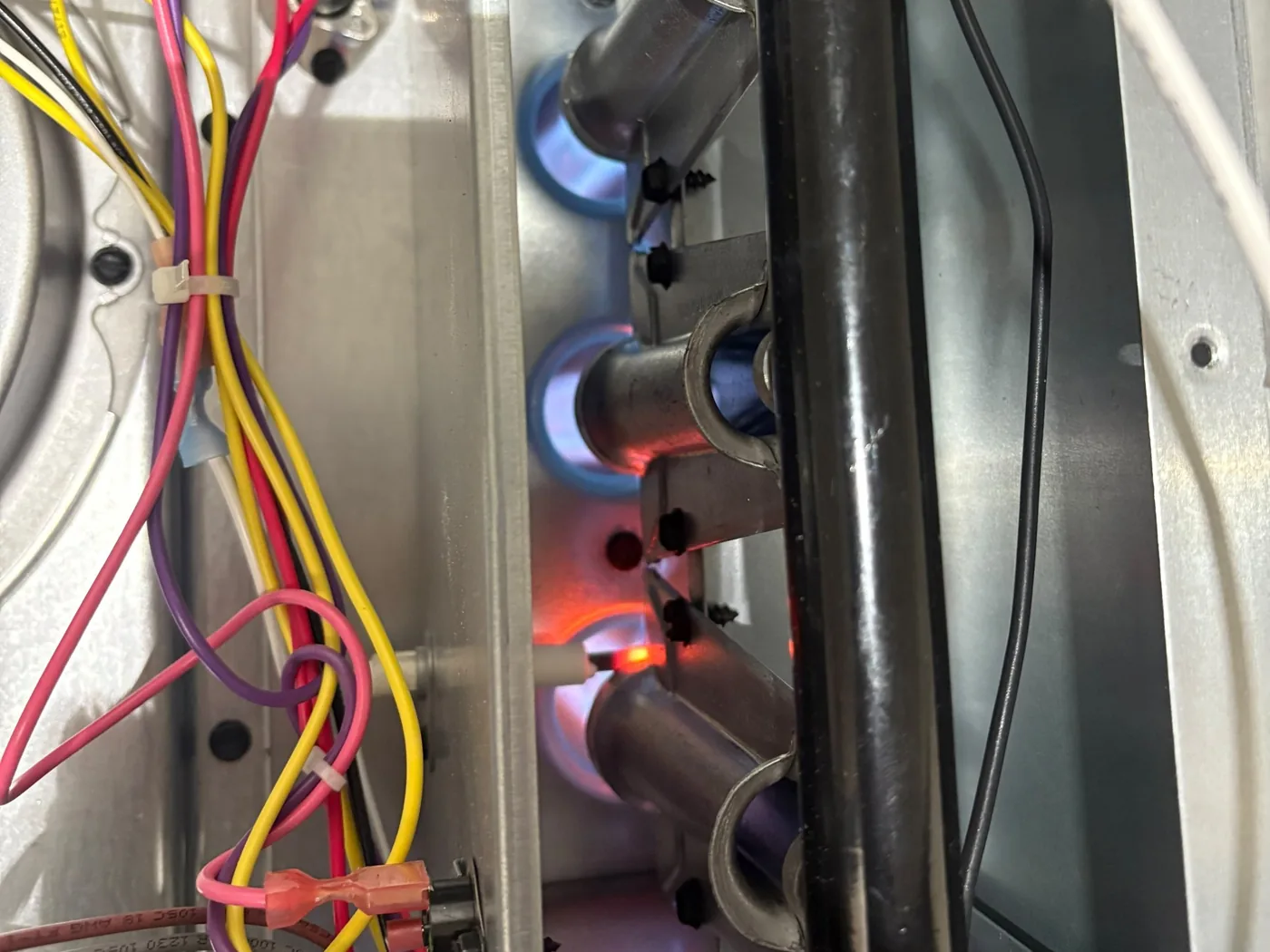
Regular service does not guarantee you will avoid replacement, but it often gives you warning. Maybe the technician sees signs of age and talks through likely timelines. Maybe repairs are still possible, but you learn that planning a replacement within a year or two would be wise. That kind of lead time is valuable. It gives you space to compare models, ask about efficiency ratings, evaluate rebates if available, and Furnace installation schedule a cleaner installation window.
Newer furnaces still need attention
A newer system is not maintenance-free just because it is new. In fact, modern furnaces can be more sensitive in certain ways because they rely on tighter tolerances, more controls, and more interdependent components.
High efficiency units, especially, depend on proper airflow, drainage, venting, and control logic. When those pieces stay clean and dialed in, performance is excellent. When they do not, nuisance shutdowns and odd behavior can show up quickly.
People who have just paid for furnace installation sometimes assume they can ignore service for a while because the unit is under warranty. That is not a great bet. Warranties often cover parts under specific terms, but they do not erase the inconvenience of breakdowns, and they do not usually cover all labor or related costs. Some warranty issues can also get messy if lack of maintenance contributed to the problem.
The smarter approach is to treat a new furnace the same way you would treat a new car. Protect the investment from the beginning.
Maintenance visits are also about comfort, not just mechanics
A furnace can be technically functional and still leave a house feeling bad. That is the part people sometimes overlook.
Comfort problems often live in the gray area between full failure and normal operation. The furnace may be oversized and short cycling. The blower speed may be set incorrectly. Airflow may be too low for the duct layout. The thermostat may be in a poor location. The filter choice may be too restrictive for the system. A technician doing thoughtful furnace services can often catch these things.
That is important because comfort complaints are what homeowners actually feel every day. If one side of the house never warms up properly, or the air feels stuffy, or the system blasts hot air and shuts off too quickly, the heating experience is worse even if the furnace “works.”
Good service is partly diagnostic in that broader sense. It looks at how the whole system behaves, not just whether the burner lights.
What a sensible maintenance routine looks like
Most homes benefit from yearly furnace service, ideally before heavy heating season begins. Some systems, especially those in dusty homes, homes with pets, or homes where the furnace runs heavily for long winters, may need more attention between annual visits. Filter checks matter a lot here. A one-inch filter can load up much faster than people expect, especially during peak use.
A sensible routine usually includes a professional visit plus a few homeowner basics done consistently.
- change or inspect the filter on schedule
- keep supply and return vents unobstructed
- pay attention to new noises or smells
- schedule service before winter, not during a breakdown
- ask questions if bills or comfort change noticeably
That is not complicated, and that is the point. Long-term furnace health is usually built on ordinary habits, not heroic action.
The cheapest service call is often the one that prevents three others
There is a pattern many contractors know well. A homeowner skips maintenance to save money. The furnace runs okay until winter pressure hits. Then one failed part leads to a no-heat call, a second issue gets discovered under stress, and a third problem appears because the system has been operating outside normal conditions for too long.
Now the homeowner is paying emergency rates, dealing with discomfort, and making decisions under pressure.
Compare that with a routine visit where a technician cleans, tests, and catches the weak part early. The bill is usually smaller, the scheduling is easier, and nobody is sitting around in coats waiting for heat to come back.
Preventive care is not exciting, but it is often the most cost-effective path. Not every breakdown can be prevented, of course. Parts can fail unexpectedly. Control boards can go bad without much warning. But regular service tilts the odds in your favor, and over the life of a furnace, that matters.
The real value is consistency
When a furnace is maintained properly, the biggest benefit is not just fewer repairs or slightly lower energy use. It is consistency. The system starts when it should, heats the house the way it should, and does not force itself into the center of your life every winter.
That kind of reliability is easy to take for granted, which is why people often overlook the role maintenance plays in creating it. But anyone who has dealt with repeated no-heat calls, surprise repair bills, or a rushed furnace replacement in freezing weather understands the difference.
Regular furnace services protect performance in a very practical way. They help keep efficiency from drifting, reduce wear on major parts, support safer operation, and make future repair or replacement decisions a lot clearer. They also give your contractor a chance to see the equipment before a minor issue becomes a major one.
If your furnace has been running quietly for years, that is great. It is also the best reason to keep servicing it, not to stop. Quiet, dependable heat is usually the result of attention, not luck.